What to Wear Hiking in Central Oregon Weather
Dressing for Hikes in Central Oregon Starts with Smart Layers

Hiking in Central Oregon is one of the best ways to experience the region’s diverse landscapes, from high desert terrain to pine forests and alpine lakes. But while Bend’s summers are known for sunshine, the weather can change quickly. Cool mornings, hot afternoons, afternoon winds, and sudden mountain storms are all common, even in peak hiking season.
Knowing what to wear hiking in Bend is less about fashion and more about comfort, safety, and adaptability. The right clothing keeps you cool when temperatures rise, warm when they drop, and protected from sun, wind, and rain.
This guide explains exactly what to wear hiking in Central Oregon, how to layer effectively, and how to build a reliable hiking wardrobe without overspending.
Understanding Central Oregon Hiking Conditions
Central Oregon’s climate is shaped by elevation, dry air, and wide temperature swings. A hike that starts near town may feel warm and calm, while higher elevations near the Cascades can be significantly cooler and windier.
Popular hiking areas such as
Shevlin Park, Tumalo Falls, and trails around
Cascade Lakes Scenic Byway often experience very different conditions than downtown Bend.
This variability is why layering is the most important concept when dressing for hikes in the region.
The Three-Layer System for Hiking
A simple three-layer system works for most hikes in Central Oregon and allows you to adjust throughout the day.
Base Layer: Moisture Management
The base layer sits against your skin and manages sweat. Staying dry is critical in Central Oregon’s dry climate, where evaporative cooling can make you feel cold quickly once you stop moving.
Look for base layers that are:
- Moisture-wicking
- Quick-drying
- Lightweight and breathable
Synthetic fabrics and merino wool perform far better than cotton. Cotton absorbs moisture and dries slowly, which can lead to discomfort and chafing.
Base layers can be short-sleeve or long-sleeve depending on sun exposure and temperature.
Mid Layer: Insulation
The mid layer provides warmth during cool mornings, shaded forest hikes, or windy ridgelines.
Common mid layers include:
- Lightweight fleece jackets
- Grid fleece pullovers
- Thin insulated jackets or vests
In summer, this layer does not need to be heavy. Many hikers prefer a lightweight fleece that packs down small and can be removed easily once temperatures rise.
Buying used mid layers is one of the easiest ways to save money, as these items often see little wear.
Outer Layer: Wind and Rain Protection
Even in summer, an outer layer is essential in Central Oregon. Afternoon winds and occasional storms can bring sudden temperature drops.
Look for:
- Lightweight windbreakers
- Packable rain shells
- Jackets with adjustable hoods
A shell does not need heavy insulation. Its job is to block wind and moisture while allowing breathability. A compact shell that fits easily into a daypack is ideal.
Hiking Bottoms: Pants or Shorts?
Choosing the right hiking bottoms depends on terrain, temperature, and personal preference.
Hiking Pants
Hiking pants are a popular choice in Central Oregon because they:
- Protect legs from sun and brush
- Reduce exposure to insects
- Perform well in variable temperatures
Look for pants with stretch, breathable fabric, and articulated knees. Many hikers prefer convertible pants that zip off into shorts.
Hiking Shorts
Shorts are comfortable on hot, exposed trails and pair well with sun-protective tops. Look for quick-dry materials and a length that allows free movement.
Avoid denim or heavy fabrics, which trap heat and moisture.
Footwear: Matching Shoes to the Trail
Footwear is one of the most important clothing decisions for hiking in Bend.
Trail Runners
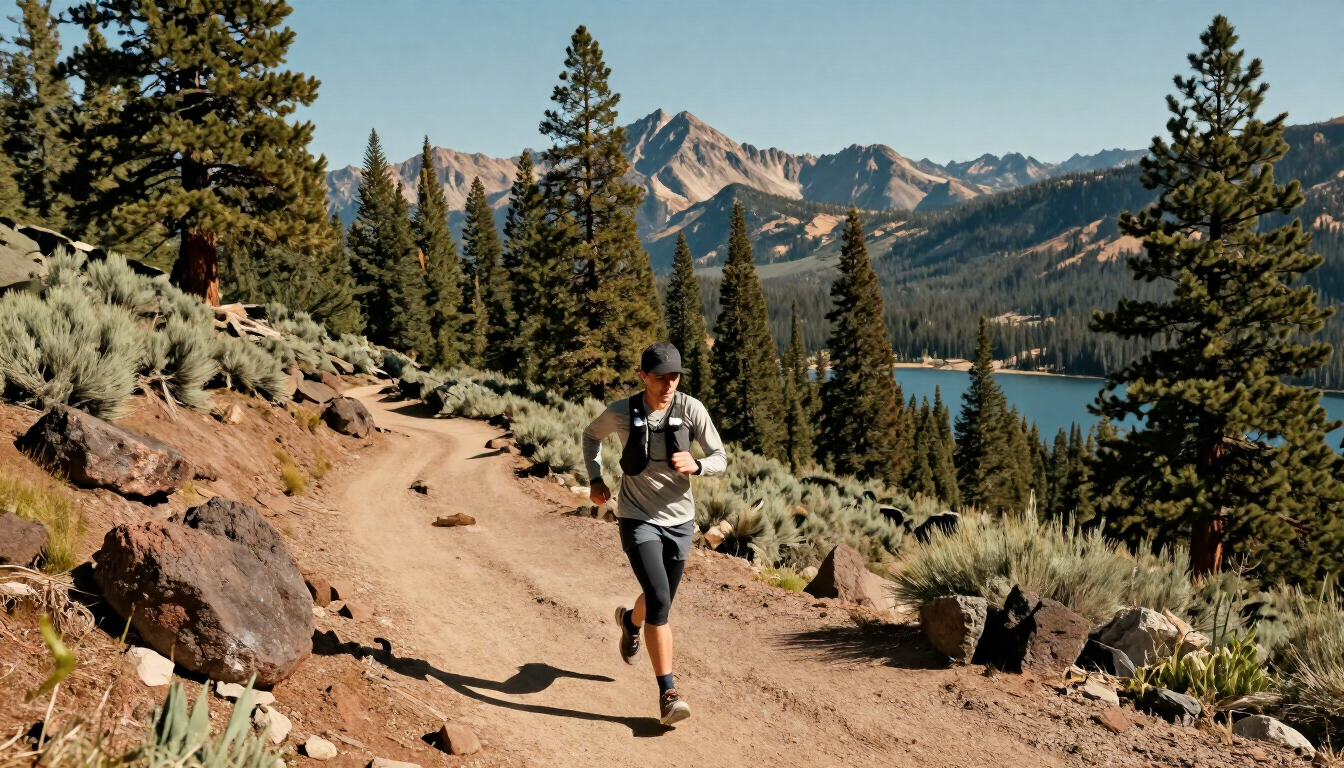
Trail runners are lightweight, breathable, and comfortable for most day hikes. They work well on maintained trails and dry conditions.
Hiking Boots
Lightweight hiking boots offer more ankle support and durability for:
- Rocky terrain
- Longer hikes
- Carrying heavier packs
Socks Matter
Socks are just as important as shoes. Merino wool or synthetic hiking socks reduce blisters and manage moisture far better than cotton.
Trying footwear on in-store helps ensure proper fit and comfort.
Sun Protection Is Not Optional
Central Oregon’s high elevation means stronger UV exposure, even on cooler days.
Essential sun protection includes:
- Wide-brim hat or breathable cap
- Sunglasses with UV protection
- UPF-rated shirts or long sleeves
Long sleeves are often more comfortable than short sleeves, as they protect from sun while allowing airflow.
Accessories That Improve Comfort
Small clothing-related accessories can make a big difference on the trail.
Helpful items include:
- Lightweight gloves for cool mornings
- Neck gaiters or buffs for sun and wind
- Trekking poles for balance and joint relief
These accessories are often available used and can be added gradually as you hike more frequently.
Building a Hiking Wardrobe on a Budget
You do not need to buy everything new to hike comfortably in Central Oregon.
Buying used hiking clothing allows you to:
- Save significantly on premium brands
- Experiment with styles and fits
- Build a versatile kit over time
Second Wind Sports Bend regularly carries lightly used hiking apparel from trusted outdoor brands. Because hiking clothing is often worn gently, secondhand items frequently perform like new.
Common Hiking Clothing Mistakes to Avoid
Many new hikers make similar mistakes that reduce comfort.
Avoid:
- Wearing cotton shirts or jeans
- Skipping a shell because the forecast looks good
- Wearing new shoes without breaking them in
- Overpacking heavy layers in summer
Simple adjustments make hiking more enjoyable and safer.
Frequently Asked Questions
What should I wear hiking in Bend in summer?
A moisture-wicking shirt, lightweight hiking pants or shorts, trail shoes, sun protection, and a packable jacket cover most conditions.
Do I need hiking boots for Bend trails?
Not necessarily. Many trails are suitable for trail runners. Boots are helpful for longer or more rugged hikes.
Can I hike year-round with the same clothing?
Yes, if you layer properly. Many summer pieces also work in spring and fall with warmer mid layers added.
Hike Comfortably in Any Central Oregon Weather
Dressing properly for hiking in Central Oregon allows you to focus on the experience rather than discomfort. With smart layering, the right footwear, and sun protection, you can enjoy Bend’s trails from early morning through evening.
Whether you are building your first hiking kit or upgrading what you already have, affordable, high-quality clothing makes getting outside easier and more enjoyable.
For guidance, used gear, and local insight, stop by Second Wind Sports Bend and get outfitted for your next hike with confidence.
About Our Shop –
https://www.secondwindbend.com/about
Consign or Buy –
https://www.secondwindbend.com/consignment