How to Store Outdoor Gear Between Seasons
Proper Gear Storage Saves Money and Extends Performance
Outdoor gear is an investment, even when purchased used. Jackets, bikes, camping equipment, and paddle gear are built to handle rugged conditions, but they are not immune to damage when stored improperly. Many pieces of gear fail not because they were used too hard, but because they were stored wet, dirty, compressed, or exposed to heat and sunlight.
In a place like Bend, where people transition between summer and winter sports every year, seasonal gear storage is especially important. Taking a little time to clean and store equipment correctly can add years to its lifespan and keep it performing the way it should when the next season arrives.
This guide walks through how to store common types of outdoor gear between seasons, what mistakes to avoid, and how good storage habits help you save money long-term.
Start with Cleaning Before Storage
The most important step in storing any outdoor gear is cleaning it first. Dirt, sweat, salt, and moisture all contribute to fabric breakdown, corrosion, and odor buildup over time.
Before putting gear away:
- Wash clothing according to manufacturer instructions
- Wipe down hard goods like bikes, paddles, and helmets
- Remove mud, sand, and debris from zippers and seams
- Let everything dry completely
Storing dirty gear traps moisture and bacteria, which accelerates wear and creates odors that are difficult to remove later.
How to Store Outdoor Clothing and Jackets
Technical clothing performs best when stored loosely, clean, and dry.
Jackets and Shells
Waterproof and insulated jackets should be:
- Cleaned and fully dried
- Hung on wide hangers or loosely folded
- Stored away from direct sunlight and heat
Avoid compressing jackets for long periods, as this can damage insulation and waterproof membranes.
Base Layers and Fleece
Base layers and fleece are easy to store but still benefit from proper care.
Best practices include:
- Washing before storage
- Folding loosely in breathable bins or drawers
- Avoiding damp basements or garages
Keeping these items clean helps prevent lingering odors and fabric degradation.
Storing Footwear Properly
Shoes and boots often suffer the most from improper storage.
Before storing footwear:
- Remove insoles and let them dry separately
- Clean dirt and dust from uppers and soles
- Allow shoes to dry completely before storing
Store footwear in a cool, dry place. Avoid sealing them in airtight plastic containers, which can trap moisture and cause mildew.
Using shoe trees or stuffing shoes with paper helps maintain shape during long storage periods.
Backpacks and Packs
Backpacks should be emptied completely and cleaned before storage.
Steps for pack storage:
- Shake out dirt and debris
- Spot clean with mild soap if needed
- Let dry fully with zippers open
- Loosen all straps before storing
Store packs loosely rather than compressed to protect foam padding and structural components.
Camping Gear Storage Tips
Camping gear often sees limited use but requires careful storage to remain functional.
Tents
Tents should never be stored wet or tightly compressed.
Best practices include:
- Air-drying fully after trips
- Storing loosely in a large breathable bag
- Keeping poles separate if possible
Many tents are damaged by being stored damp in their original stuff sacks.
Sleeping Bags and Pads
Sleeping bags lose warmth when insulation stays compressed for long periods.
Store sleeping bags:
- Uncompressed in a large cotton or mesh sack
- Hung in a closet if space allows
Sleeping pads should be:
- Cleaned and dried
- Stored partially inflated or flat
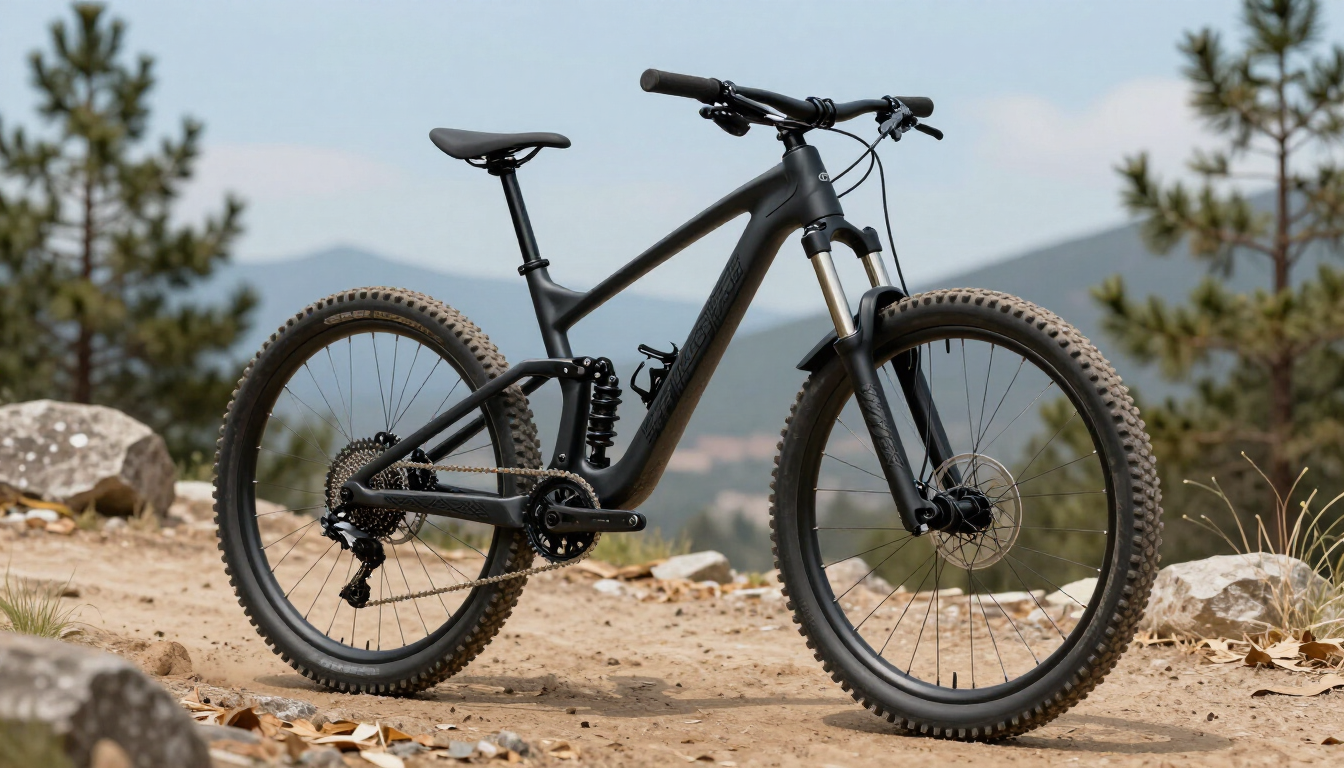
Bike Storage Between Seasons
Bikes benefit greatly from basic off-season care.
Before storing a bike:
- Clean the frame and drivetrain
- Lubricate the chain lightly
- Inflate tires to recommended pressure
Store bikes indoors when possible, away from moisture and temperature extremes. Hanging bikes or using a floor stand helps prevent tire flat spots.
Periodic checks during storage keep bikes ready to ride when the season returns.
Paddleboards and Water Gear
Inflatable paddleboards and river gear require special attention.
Before storage:
- Rinse thoroughly with fresh water
- Dry completely to prevent mold
- Deflate fully but avoid sharp folds
Store inflatables in a cool, shaded space away from direct heat. Prolonged exposure to heat can weaken seams and valves.
Common Storage Mistakes to Avoid
Many storage issues are easy to prevent once you know what to avoid.
Common mistakes include:
- Storing gear wet or damp
- Leaving items in hot garages or sheds
- Compressing insulation for long periods
- Storing gear in direct sunlight
- Forgetting to clean gear before storage
Avoiding these mistakes significantly extends gear lifespan.
Storage Solutions for Small Spaces
Not everyone has a garage or gear room. Fortunately, good storage is possible even in small spaces.
Helpful solutions include:
- Under-bed storage bins
- Closet organizers for hanging gear
- Wall-mounted hooks or racks
- Breathable storage bags
The key is airflow, dryness, and avoiding extreme temperatures.
When to Repair or Replace Before Storage
Before storing gear, inspect it for damage. Small issues are easier to fix immediately than after months of storage.
Look for:
- Broken zippers
- Small fabric tears
- Worn buckles or straps
Repairing gear before storage prevents further damage and ensures it is ready when you need it again.
Buying and Selling Gear Seasonally
Proper storage also makes it easier to resell or consign gear later. Clean, well-maintained items retain value and are more attractive to buyers.
Second Wind Sports Bend encourages seasonal gear rotation through consignment. Storing gear properly ensures it is ready to sell when seasons change and helps maximize resale value.
Frequently Asked Questions
Should I store gear in my garage?
Only if the garage is dry and temperature-controlled. Excess heat and moisture can damage gear.
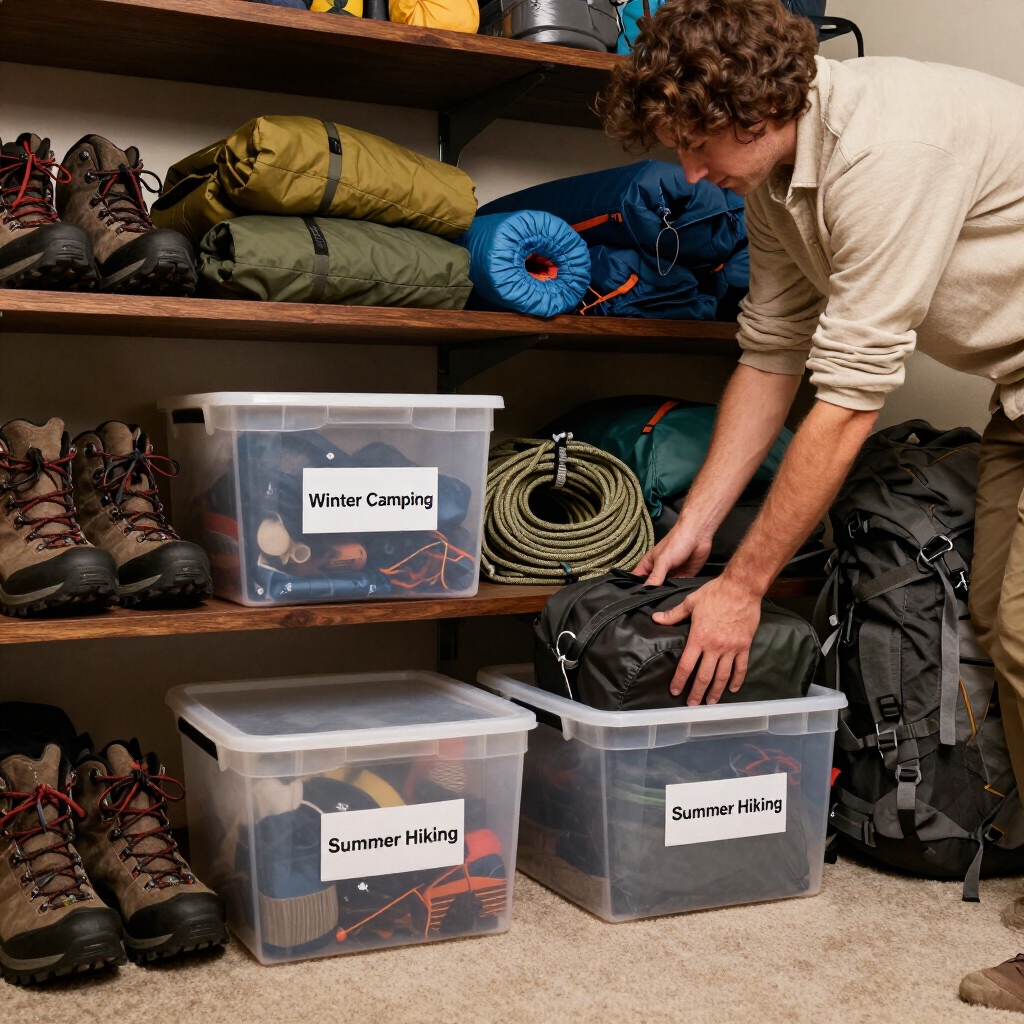
Can I store gear in plastic bins?
Yes, if the bins are breathable or include moisture control. Avoid airtight containers for clothing and footwear.
How often should I check stored gear?
A quick check every few months helps catch moisture or pest issues early.
Protect Your Gear and Your Budget
Proper gear storage is one of the easiest ways to protect your investment in outdoor equipment. With simple cleaning, drying, and storage habits, you can keep gear performing well year after year.
Whether you are storing summer gear for winter or rotating seasonal equipment, taking the time to store items correctly saves money, reduces waste, and keeps you ready for your next adventure.
For advice on maintaining, storing, or consigning gear, visit Second Wind Sports Bend and get local guidance you can trust.