How to Choose the Right Ski Equipment for Your Ability Level
A Guide to Selecting Ski Gear That Fits Your Ability
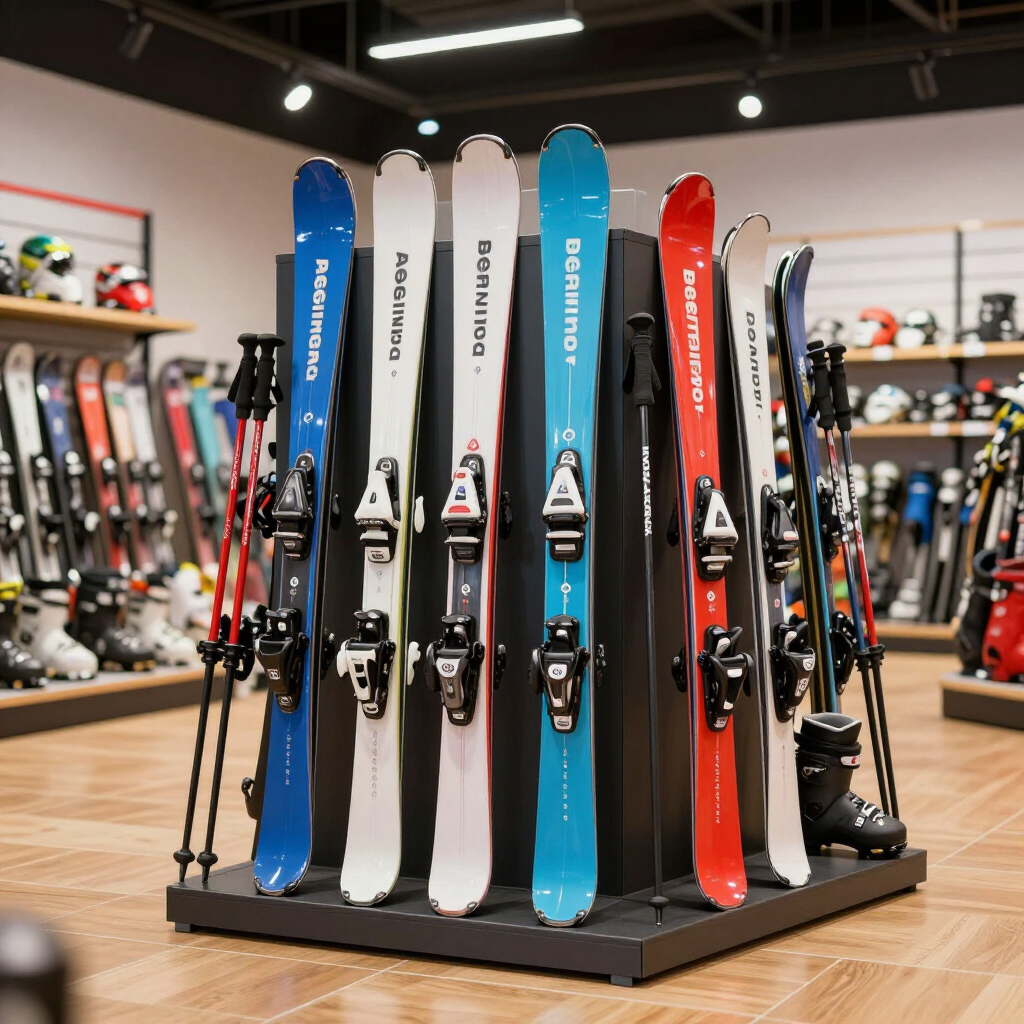
Central Oregon is home to some of the Pacific Northwest's best skiing, making Bend an ideal place to enjoy the sport all winter long. Whether you're planning your first trip to Mt. Bachelor, returning after several years away, or looking to improve your skills, having the right equipment can make a tremendous difference in both your confidence and your enjoyment on the mountain.
One of the biggest misconceptions among new skiers is that buying the most expensive equipment automatically leads to better performance. In reality, the best ski equipment is the gear that matches your current ability level, skiing style, and goals. Equipment that is too advanced can actually make learning more difficult, while properly matched gear helps you improve faster and stay comfortable throughout the day.
Another common concern is cost. Skiing can seem like an expensive hobby, especially when purchasing skis, boots, bindings, helmets, goggles, and clothing all at once. Fortunately, quality secondhand equipment offers an affordable way to get on the mountain without sacrificing performance.
At Second Wind Sports Bend, many customers are first-time skiers or families introducing children to the sport. Choosing gently used, high-quality equipment allows them to enjoy the season while staying within budget.
This guide explains how to choose ski equipment based on your experience level, what features to look for, and how buying used equipment can help you enjoy skiing without overspending.
Why Proper Ski Equipment Matters
Your equipment affects nearly every aspect of skiing.
Properly fitted gear helps you:
- Maintain better balance
- Turn more easily
- Reduce fatigue
- Improve control
- Build confidence
- Stay safer in changing snow conditions
Poorly fitted equipment, on the other hand, can make skiing frustrating. Boots that hurt your feet, skis that are too long, or equipment designed for advanced skiers can make learning much more difficult than it needs to be.
Choosing equipment that matches your current abilities allows you to focus on developing technique rather than fighting your gear.
Start with an Honest Assessment of Your Ability
Many skiers overestimate or underestimate their ability level.
Before choosing equipment, consider where you are today rather than where you hope to be by the end of the season.
Generally, skiers fall into one of four categories:
- Beginner
- Intermediate
- Advanced
- Expert
Being honest about your current skill level helps ensure you choose equipment that supports your progress.
Ski Equipment for Beginners
If you are new to skiing or only ski a few days each season, your primary goal should be building confidence and learning proper technique.
Beginner skis are designed to be forgiving.
They typically feature:
- Softer flex patterns
- Easier turn initiation
- Greater stability at moderate speeds
- Lightweight construction
These characteristics help new skiers control their movements while learning basic skills.
Long, stiff skis designed for experts can feel difficult to turn and may discourage new skiers from progressing.
Beginner Ski Boots
Boots are arguably the most important part of your ski equipment.
A properly fitted boot should:
- Hold your foot securely
- Allow slight toe contact while standing
- Keep your heel from lifting
- Feel snug without causing pain
Beginners generally benefit from softer-flex boots that make it easier to move into proper skiing positions.
Comfort is critical. Even the best skis cannot compensate for uncomfortable boots.
Ski Equipment for Intermediate Skiers
Intermediate skiers typically ski confidently on groomed runs and are beginning to explore more challenging terrain.
As skills improve, equipment should provide additional stability and responsiveness.
Intermediate skis generally offer:
- Better edge grip
- Increased stability
- Moderate stiffness
- Improved performance at higher speeds
Many intermediate skiers benefit from all-mountain skis because they perform well across a variety of snow conditions.
These skis allow skiers to explore groomers, light powder, and variable terrain without needing multiple ski setups.
Ski Equipment for Advanced Skiers
Advanced skiers spend significant time on steeper terrain, moguls, powder, and varying snow conditions.
Advanced skis are designed for:
- Higher speeds
- Aggressive carving
- Strong edge control
- Greater precision
These skis are typically stiffer and require better technique to perform well.
Advanced skiers often choose equipment based on their preferred style of skiing.
Examples include:
- Powder skis
- All-mountain skis
- Carving skis
- Freeride skis
Selecting the appropriate category depends on where you spend most of your time on the mountain.
Choosing the Correct Ski Length
One of the most common questions buyers ask is how long their skis should be.
The answer depends on several factors:
- Height
- Weight
- Ability level
- Skiing style
- Terrain preferences
Generally:
Beginners benefit from slightly shorter skis because they are easier to control.
Intermediate skiers often move toward mid-length skis that balance stability and maneuverability.
Advanced skiers may prefer longer skis for speed and flotation in deeper snow.
A knowledgeable ski shop can help determine the best size based on your individual needs.
Do You Need Brand-New Equipment?
Not necessarily.
Modern ski equipment is designed to last for many seasons when properly maintained.
Many skiers upgrade equipment before it wears out, creating excellent opportunities for others to purchase quality gear at significantly lower prices.
Buying used often allows you to afford:
- Better ski construction
- Higher-quality bindings
- Premium boots
- Trusted outdoor brands
Rather than purchasing entry-level new equipment, many skiers find they can purchase higher-quality used equipment for the same budget.
The Importance of Properly Maintained Equipment
Regardless of whether equipment is new or used, maintenance matters.
Before hitting the slopes, inspect your skis for:
- Base damage
- Excessive edge wear
- Loose bindings
- Rust
Regular tuning helps skis perform consistently throughout the season.
Waxing improves glide while properly sharpened edges improve control on hard-packed snow.
Second Wind Sports Bend also offers hot waxing services for skis and snowboards, helping customers keep their equipment performing at its best throughout the winter season.
Essential Ski Accessories
Skis and boots are only part of your overall setup.
Other important equipment includes:
Helmet
A properly fitted helmet provides essential protection and should always be worn.
Look for:
- Comfortable fit
- Adjustable sizing
- Proper ventilation
Goggles
Good visibility improves both performance and safety.
Choose goggles appropriate for Central Oregon conditions.
Features to consider include:
- Anti-fog lenses
- UV protection
- Comfortable fit with your helmet
Ski Clothing
Layering remains the best strategy.
Your clothing should include:
- Moisture-wicking base layer
- Insulating mid-layer
- Waterproof outer shell
Avoid cotton whenever possible, as it retains moisture and loses insulating ability.
Gloves and Socks
Quality gloves keep hands warm while maintaining dexterity.
Ski socks should:
- Fit smoothly
- Avoid bunching
- Wick moisture
Thick socks are not necessarily warmer. Proper fit is more important.
Buying Ski Equipment for Growing Children
Children grow quickly, making skiing one of the more expensive family sports.
Many parents choose quality used equipment because:
- Kids often outgrow gear before wearing it out.
- Families save substantial money.
- Equipment can often be consigned again after the season.
This approach makes skiing far more affordable while ensuring children have properly fitting equipment.
Common Mistakes to Avoid
When shopping for ski equipment, avoid these common mistakes:
- Buying equipment that is too advanced.
- Choosing boots based on appearance instead of fit.
- Ignoring proper ski length.
- Waiting until the first snowfall to begin shopping.
- Skipping equipment maintenance throughout the season.
- Trying to save money by purchasing poorly fitting boots.
Making informed decisions early in the season leads to a much better skiing experience.
Frequently Asked Questions
Is buying used ski equipment safe?
Yes. Quality ski equipment is built for durability. Purchasing used equipment from a reputable shop that carefully evaluates condition provides an affordable and reliable option for many skiers.
How often should skis be waxed?
This depends on how often you ski and snow conditions. Recreational skiers typically benefit from regular waxing throughout the season, especially during periods of dry Central Oregon snow.
How long do ski boots last?
Well-maintained ski boots often last many years. Fit, comfort, and overall condition are more important than age alone.
Can beginners use all-mountain skis?
Yes. Many beginner-friendly all-mountain skis provide versatility while remaining easy to control, making them an excellent choice for skiers planning to improve throughout the season.
Enjoy More Time on the Mountain with the Right Equipment
Choosing ski equipment should not feel overwhelming. By selecting gear that matches your ability level, fits properly, and supports the type of skiing you enjoy, you will spend more time building confidence and less time struggling with uncomfortable or inappropriate equipment.
Whether you are preparing for your very first trip to Mt. Bachelor or replacing older equipment before another winter season, taking the time to choose the right gear is one of the best investments you can make in your skiing experience.
Second Wind Sports Bend offers a constantly changing selection of quality consigned ski equipment, winter clothing, and accessories, along with knowledgeable staff who understand the unique conditions of skiing in Central Oregon. We also provide hot waxing services for skis and snowboards to help keep your equipment performing its best throughout the season.
Visit us at 725 NW Columbia Street, Bend, Oregon 97703 to explore our winter inventory and find equipment that fits your experience, goals, and budget.
Phone: (541) 797-0487
Website: https://www.secondwindbend.com
Internal Links
External Resources