How Often Should You Replace Outdoor Gear?
Knowing When to Replace Outdoor Gear Saves Money and Improves Safety
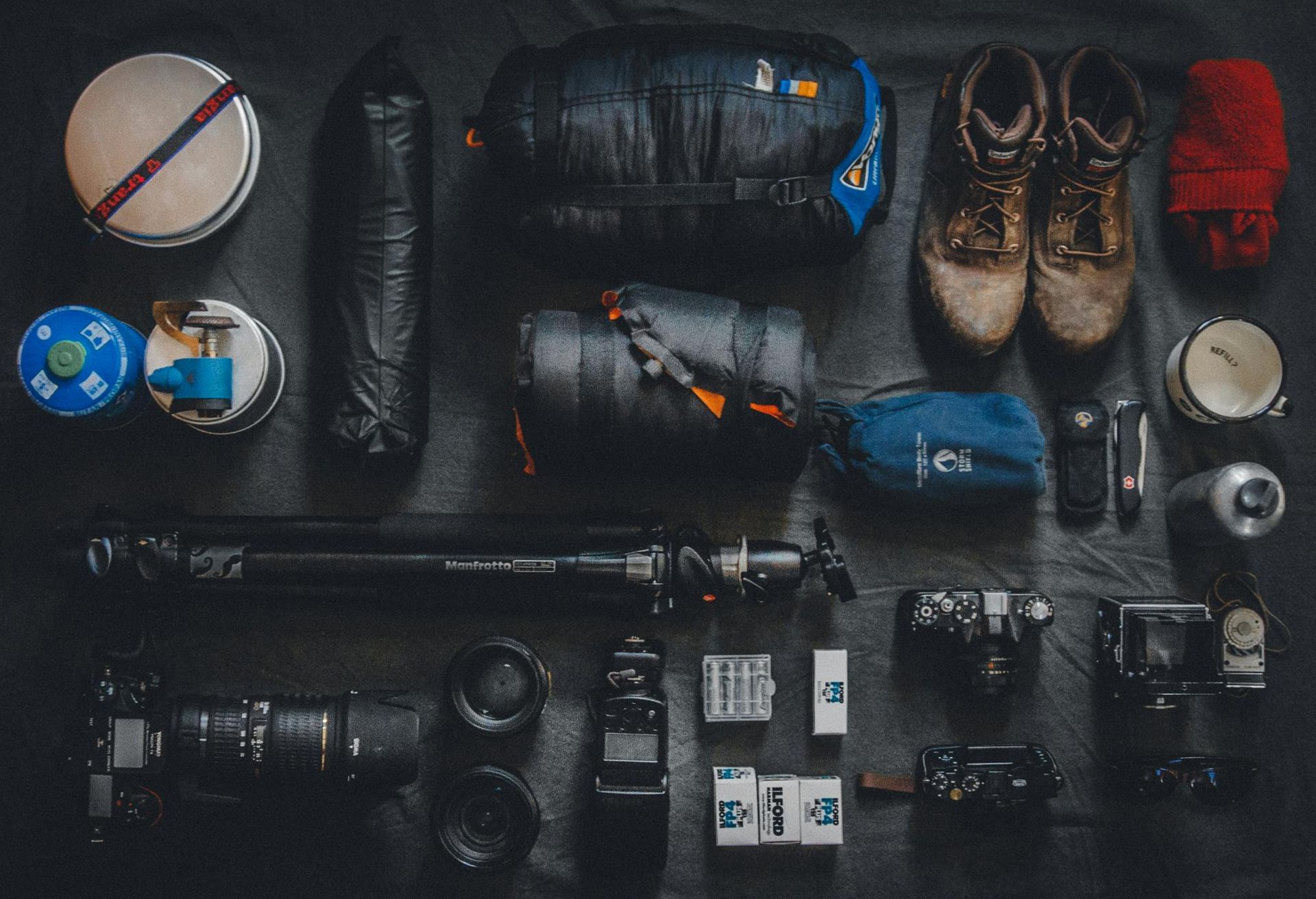
Outdoor gear is built to last, but no piece of equipment lasts forever. One of the most common questions outdoor enthusiasts ask is how often they should replace their gear. The answer depends on how often the gear is used, how it is cared for, and what type of activity it supports.
Replacing gear too early wastes money, while using worn-out gear too long can reduce comfort, performance, and safety. In a place like Bend, where people hike, bike, paddle, ski, and camp year-round, understanding gear lifespan helps you make smarter decisions and get the most value out of your equipment.
This guide breaks down how long common types of outdoor gear typically last, what signs indicate it is time to replace something, and when repair or resale might be a better option than replacement.
What Actually Causes Outdoor Gear to Wear Out?
Gear does not fail all at once. Most outdoor equipment slowly degrades over time due to a combination of use and environmental exposure.
The most common factors that affect gear lifespan include:
- Frequency of use
- Exposure to sun and UV radiation
- Dirt, moisture, and sweat
- Improper storage
- Lack of maintenance
Understanding these factors helps explain why two people can own the same item but experience very different lifespans.
Clothing and Outerwear Lifespan
Outdoor clothing is often replaced long before it stops working, especially technical apparel.
Jackets and Shells
Waterproof and insulated jackets can last many years if cared for properly. Over time, waterproof coatings may lose effectiveness, and insulation may compress.
Signs it may be time to replace or repair a jacket include:
- Persistent leaking despite cleaning
- Delamination of fabric layers
- Broken zippers or seam tape failure
In many cases, jackets can be repaired or reconditioned rather than replaced.
Base Layers and Fleece
Base layers and fleece tend to wear out through thinning fabric or loss of elasticity rather than sudden failure.
Replace when:
- Fabric becomes see-through
- Odor retention persists after washing
- Stretch and fit are compromised
These items are often good candidates for resale or donation before they fully wear out.
Footwear Replacement Guidelines
Footwear is one of the most important categories to monitor closely, especially for hiking and biking.
Hiking Shoes and Boots
Most hiking footwear lasts between 500 and 1,000 miles, depending on terrain and pack weight.
Signs footwear needs replacement:
- Flattened tread
- Compressed midsole with reduced cushioning
- Loss of support or foot pain during use
Even if the upper looks fine, worn soles can affect comfort and safety.
Sandals and Water Shoes
Sandals and water shoes often last longer but should be replaced when straps loosen permanently or soles lose traction.
Backpacks and Packs
Backpacks are among the longest-lasting pieces of outdoor gear.
A quality pack can last many years if:
- Fabric remains intact
- Buckles and straps function properly
- Frame or support structure is sound
Minor issues like broken buckles are often repairable and do not require full replacement.
Camping Gear Lifespan
Camping gear varies widely in lifespan depending on storage and care.
Tents
Tents can last many seasons with proper care.
Replace or repair when:
- Poles are bent beyond repair
- Fabric tears are extensive
- Waterproof coatings peel or fail
Storing tents dry and out of direct sunlight greatly extends their lifespan.
Sleeping Bags and Pads
Sleeping bags typically lose warmth gradually as insulation compresses.
Signs of wear include:
- Cold spots
- Loss of loft
- Zipper failure
Sleeping pads should be replaced when they no longer insulate effectively or fail to hold air.
Bikes and Bike Components
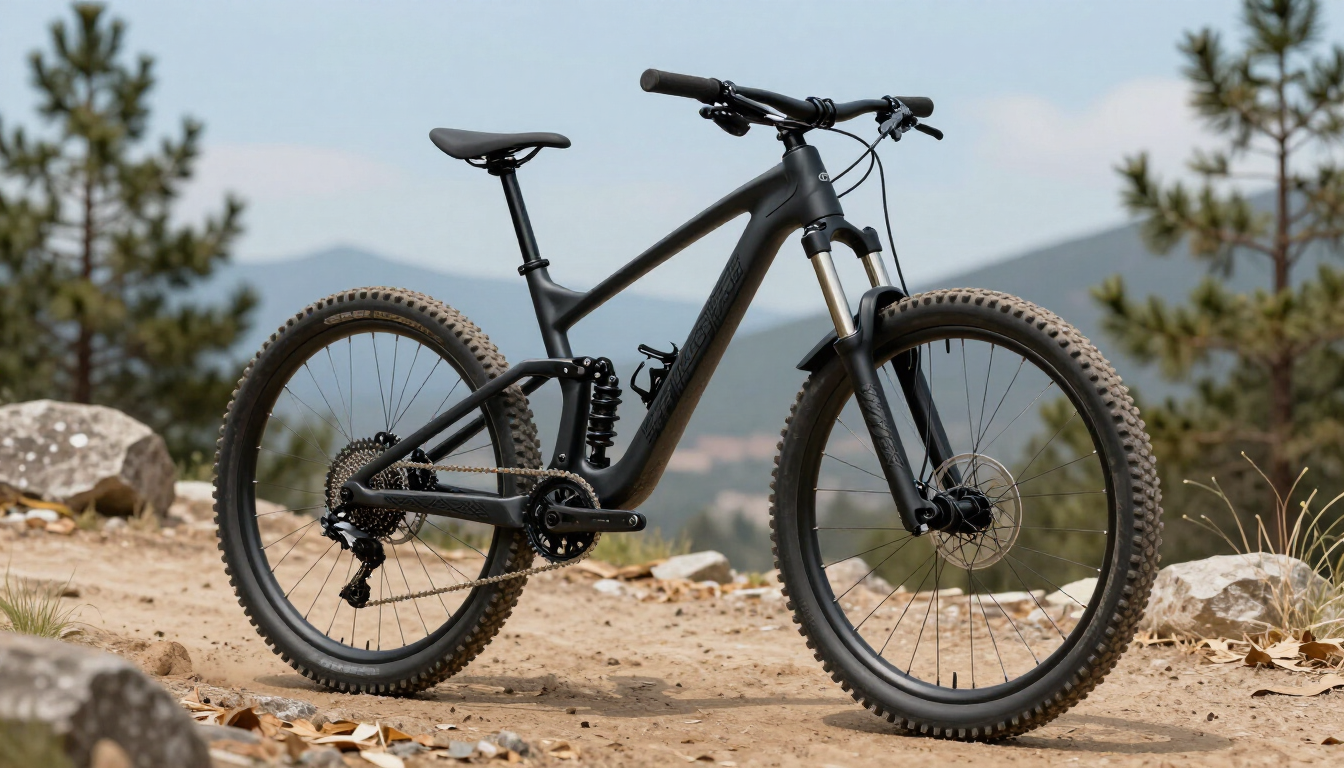
Bikes are modular, which means most parts wear out independently.
Bike Frames
Frames last a very long time unless damaged by crashes or corrosion.
Inspect for:
- Cracks
- Unusual noises
- Structural deformation
Wear Components
Parts that wear faster include:
- Chains
- Brake pads
- Tires
- Cassettes
Replacing these components regularly extends the life of the bike as a whole.
Paddle and Water Gear
Inflatable paddleboards and floats are built for durability but still require inspection.
Replace when:
- Air leaks persist
- Seams separate
- Valves fail
Proper cleaning and storage away from heat and sun help extend lifespan.
Repair, Replace, or Resell?
Not every worn item needs to be thrown away. Many pieces of gear can be repaired, repurposed, or resold.
Good candidates for repair include:
- Jackets with zipper issues
- Packs with broken buckles
- Tents with small tears
Items that are still functional but no longer needed can often be consigned, helping someone else get started while offsetting the cost of new gear.
Buying Used to Extend Gear Value
Understanding gear lifespan makes buying used equipment even more appealing. Many items enter the secondhand market with years of life remaining.
Second Wind Sports Bend specializes in inspecting and reselling lightly used outdoor gear, making it easier to find equipment that still has plenty of use left.
Buying used allows you to replace gear when needed without paying full retail prices.
Frequently Asked Questions
How do I know if gear is unsafe to use?
Structural damage, loss of protective function, or failure of safety features are signs gear should be replaced immediately.
Can gear last longer with better care?
Yes. Proper cleaning, drying, and storage significantly extend gear lifespan.
Is it better to repair or replace?
If repair restores performance and costs less than replacement, repair is usually the better option.
Replace Gear When It No Longer Supports Your Adventure
Outdoor gear should support your comfort, safety, and enjoyment. Replacing gear at the right time ensures better experiences without unnecessary spending.
By understanding how long gear typically lasts and recognizing early signs of wear, you can make informed decisions about when to repair, replace, or upgrade.
For help evaluating your gear, finding affordable replacements, or consigning items you no longer need, visit Second Wind Sports Bend and keep your outdoor setup working season after season.
Consign –
https://www.secondwindbend.com/consignment
About Our Shop –
https://www.secondwindbend.com/about